SPHERE
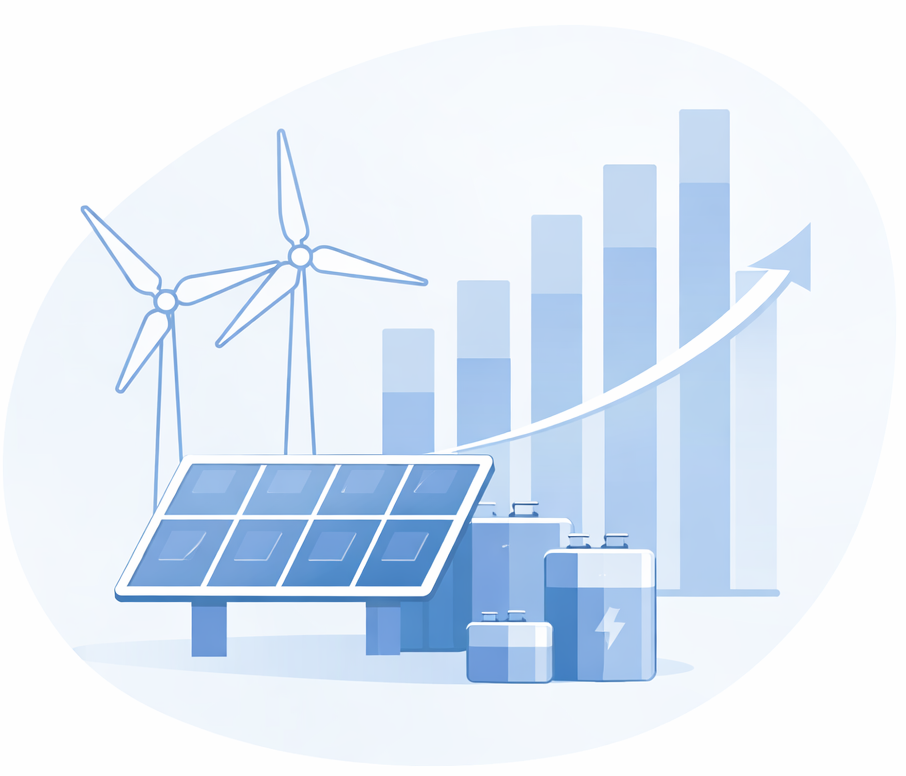
Designing Energy Systems with Risk Intelligence
The energy transition demands smarter and more reliable local energy systems. Yet municipalities, developers, and energy hubs face growing challenges: grid congestion, uncertain growth, and fragmented tools that fail to provide a complete picture.
Pythia Sphere addresses this by enabling risk-driven design. Instead of relying on fixed assumptions, it helps stakeholders make informed, future-proof decisions in a complex and evolving energy landscape.
From Worst-Case Thinking to Probabilistic Design
Traditional approaches design for extremes, often leading to over-dimensioned and costly infrastructure. Sphere takes a different path.
By modelling probabilities instead of single peak values, Sphere reveals how often bottlenecks occur, how severe they are, and what their real impact is. This allows for smarter planning, phased investments, and better use of existing grid capacity — without compromising reliability.

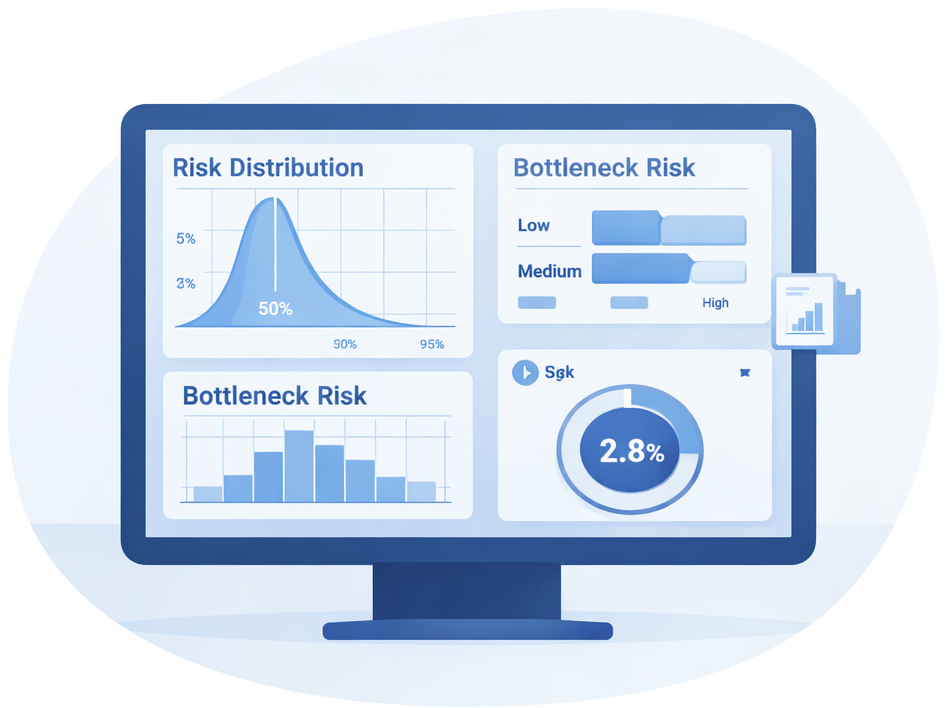
Built for Real-World Decision Making
Sphere combines advanced probabilistic modelling with practical usability:
- Risk as a design foundation
Quantify risk through probability, duration, and impact to identify the most effective interventions. - Actionable insights for grid operators
Support transparent and data-driven collaboration on feasible connection and capacity solutions. - Works with limited data
Use realistic synthetic datasets when historical data is unavailable, ensuring analysis is always possible.
The result: robust, explainable, and future-ready energy system designs.
The probabilistic calculation core
The Probabilistic Calculation Core enables risk-aware energy planning by modelling uncertainty in demand, generation, and grid constraints. Instead of relying on fixed assumptions, it evaluates a range of possible scenarios to support more realistic and efficient capacity decisions.
The Probabilistic Calculation Core enables risk-aware energy planning by modelling uncertainty in demand, generation, and grid constraints. Instead of relying on fixed assumptions, it evaluates a range of possible scenarios to support more realistic and efficient capacity decisions.

Use-Case: Energy Hubs Risk Scan
Explore your entire energy system in one intuitive dashboard. Analyse loads, identify risks, and understand system behaviour across different scenarios, all in one place.
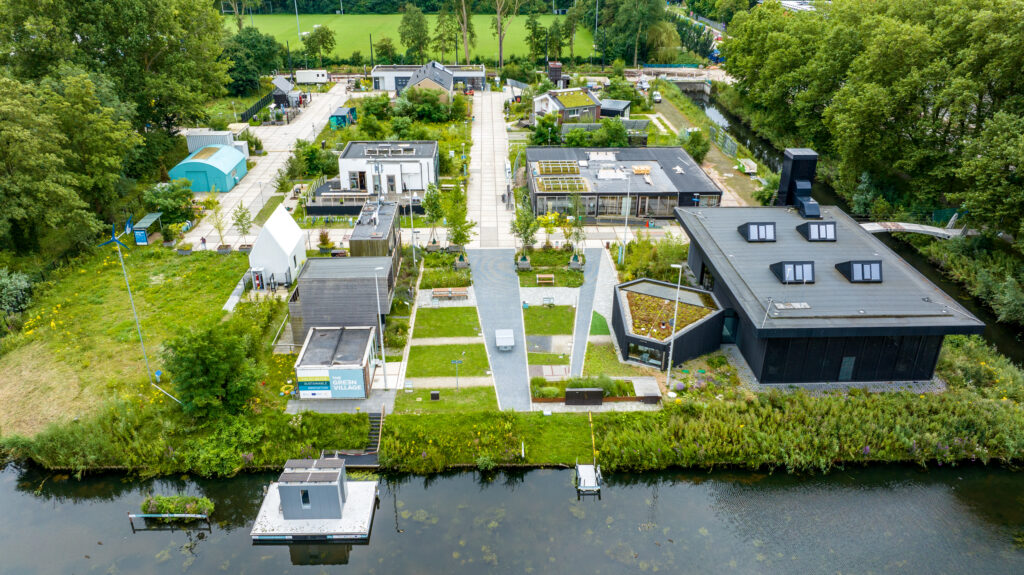
The Green Village
At The Green Village, we validate and refine probabilistic energy design methods in a real-world, regulation-light environment. This living lab allows us to analyse when and where congestion risks emerge, evaluate the impact of collective solutions such as battery storage, and quantify available capacity across different scenarios.
By integrating these insights, we gain a clearer understanding of system behaviour under varying conditions, enabling more informed decisions and making risk-aware energy design both practical and actionable.

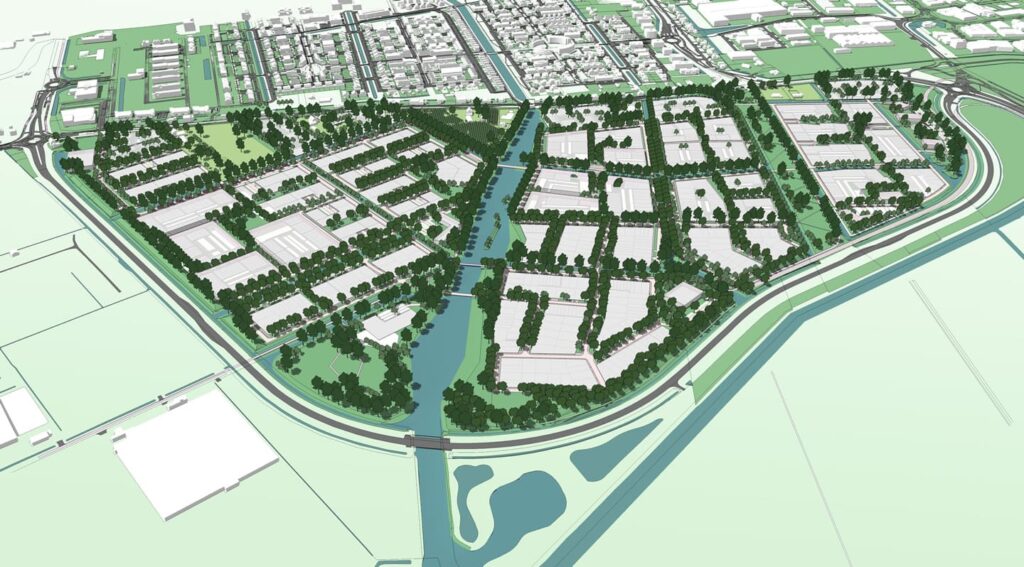
New Development at Stougjeswijk
At BAM’s Stougjeswijk project, we developed a detailed energy model to capture the full neighbourhood ecosystem. The model includes 2,485 residential homes with varying characteristics such as floor areas, PV systems, and heat pump configurations, alongside key assets like the supermarket, school, and electric vehicle charging infrastructure.
This integrated approach enables us to analyse energy demand patterns, assess flexibility potential, and understand system interactions at a neighbourhood scale, making data-driven energy design both practical and actionable..